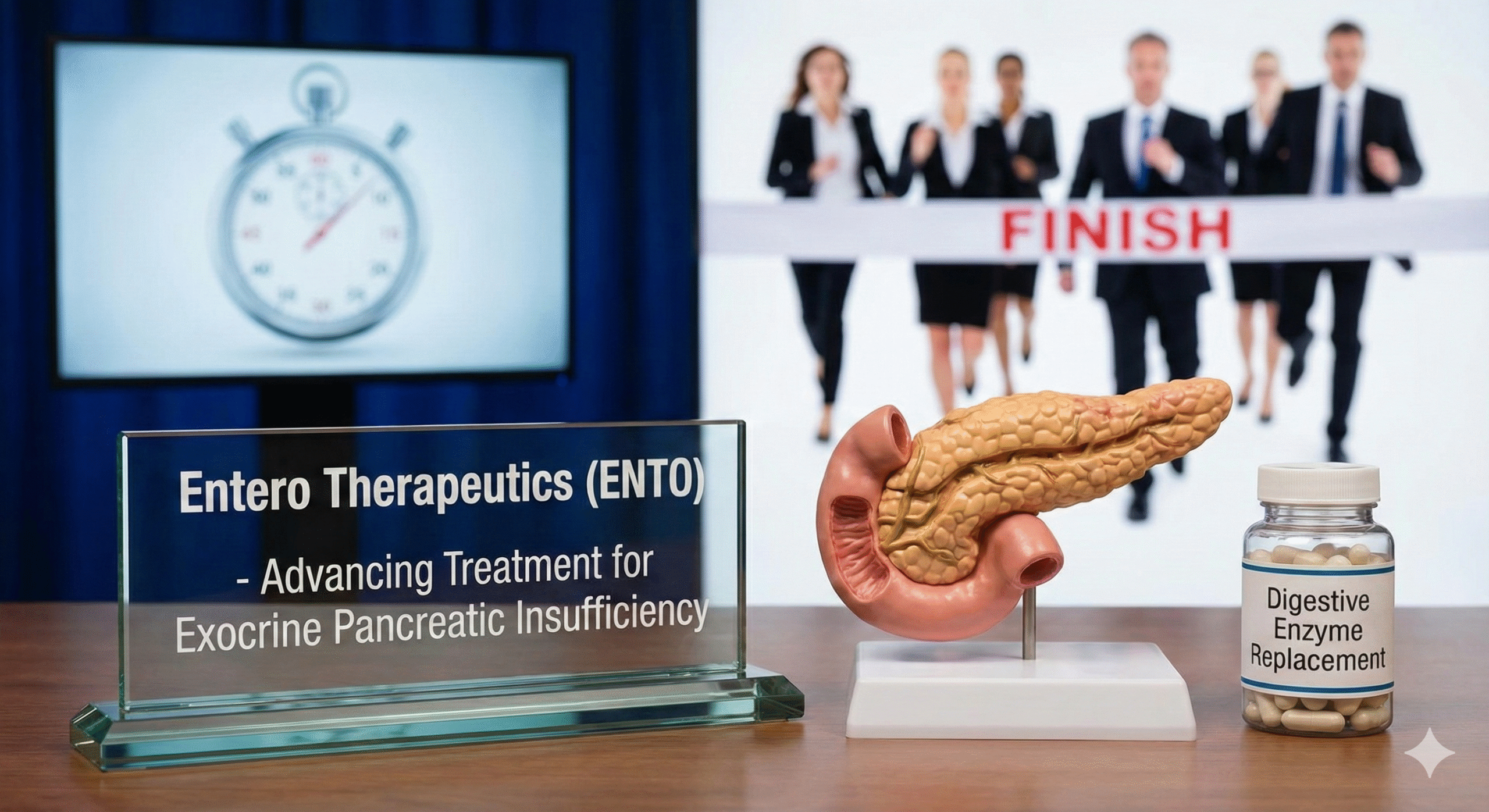

Founded as a science-driven enterprise with a clear focus on gastrointestinal health, a publicly listed organization headquartered in Boca Raton, Florida built its early identity as a clinical stage biopharmaceutical company dedicated to addressing significant unmet needs in gastrointestinal GI diseases. From its inception, the company concentrated on the development of targeted, non systemic therapies designed to work locally in the intestine, reflecting a strategic belief that oral biotherapeutic approaches could improve treatment compliance, safety, and long-term patient outcomes. This foundational philosophy placed the business squarely within the biopharmaceutical industries while differentiating it from peers pursuing broad systemic exposure, and it established a long-term vision centered on precision, access, and innovation in GI health.
Entero Therapeutics Inc. (NASDAQ:ENTO) emerged with a business model rooted in proprietary technologies and the development of targeted therapies for gastrointestinal diseases that affect millions of patients worldwide. The company’s early pipeline reflected a deep understanding of digestion, nutrient absorption, and intestinal biology, particularly in disease states where the body’s natural processes are impaired. By focusing on oral biotherapeutic solutions, the company sought to enable treatment at the source of disease rather than managing symptoms downstream, a strategy that resonated with clinicians and investors seeking differentiated approaches within the GI market.
A defining element of the company’s background has been its work in enzyme-based therapeutics, most notably the development of Adrulipase, a recombinant lipase enzyme designed to enable the digestion of fats and other nutrients in patients with exocrine pancreatic insufficiency. This condition is most commonly seen in cystic fibrosis and chronic pancreatitis patients, where fibrosis and chronic inflammation damage pancreatic function and leave patients unable to properly digest fats and absorb essential nutrients. Entero Therapeutics positioned Adrulipase as a potentially first in class solution, engineered to address limitations of existing therapies while improving outcomes for patients with cystic fibrosis and chronic pancreatitis.
Beyond enzyme replacement, the company expanded its development efforts into gastrointestinal motility and inflammatory conditions, including programs targeting gastroparesis and ulcerative colitis. Among these initiatives was the exploration of a selective 5 HT4 receptor partial agonist, also referred to as a ht4 receptor partial agonist, designed to enhance GI motility through targeted receptor engagement. This receptor-based approach aligned with the company’s broader strategy of developing non systemic therapies that could deliver therapeutic benefit without the burden of systemic side effects, reinforcing its reputation as a focused innovator in therapies for gastrointestinal GI diseases.
Celiac disease also featured prominently in the company’s historical focus, reflecting its commitment to conditions where current treatment options remain limited. By pursuing oral biotherapeutic strategies aimed at breaking down gluten within the intestine, the company addressed a large patient population reliant primarily on strict dietary compliance. This emphasis on digestion-focused solutions highlighted a consistent theme across Entero Therapeutics’ background: leveraging an understanding of nutrients, fats, and intestinal processes to create meaningful treatment alternatives.
As a Nasdaq-listed company trading under its ticker symbol, Entero Therapeutics built visibility within the public markets while navigating the realities of clinical development, regulatory compliance, and capital management. Its status as a late clinical stage biopharmaceutical company meant that market valuation and share performance were closely tied to pipeline progress, press release announcements, and broader sentiment around GI therapeutics. Throughout these cycles, the company maintained its core identity as a research-focused enterprise dedicated to advancing targeted treatments for gastrointestinal diseases.
The company’s background also reflects an openness to corporate evolution and strategic expansion. While remaining committed to its GI pipeline, Entero Therapeutics pursued opportunities to strengthen its business platform, culminating in a transformative acquisition that broadened its corporate scope beyond therapeutics alone. This evolution was framed as a way to enhance long-term value creation while preserving the scientific foundation built around gastrointestinal health, enzyme designed to enable digestion, and targeted treatment development.
Taken together, the background of Entero Therapeutics Inc. is defined by a disciplined focus on gastrointestinal GI diseases, a commitment to non systemic and oral biotherapeutic solutions, and a willingness to adapt its corporate structure in pursuit of sustainable growth. From addressing exocrine pancreatic insufficiency in cystic fibrosis and chronic pancreatitis patients to exploring receptor-based therapies and celiac disease solutions, the company’s history reflects a consistent emphasis on targeted innovation, patient needs, and long-term strategic flexibility within the evolving pharmaceutical market.
Entero Therapeutics Inc. Emerges as a Rare Dual-Sector Nasdaq Story at the Intersection of Biopharma Innovation and AI Infrastructure
In a market environment where investors are increasingly selective, Entero Therapeutics, Inc. has re-entered the finance news cycle as one of the more complex and intriguing small-cap stories trading on the Nasdaq. Originally built as a clinical stage biopharmaceutical company addressing significant unmet needs in gastrointestinal diseases, the Boca Raton, Florida–based company has spent years developing targeted, non-systemic therapies for gastrointestinal GI diseases while operating under the realities of drug development timelines, regulatory compliance, and capital discipline. Today, Entero Therapeutics Inc. stands out not only for its pharmaceutical legacy but also for its strategic corporate evolution following its acquisition of GRID AI Corp., a move that has materially expanded the company’s business scope and market narrative.
CHECK THIS OUT: Corcept (CORT) Skyrockets 1,534% in 10 Years and Immuneering (IMRX) Reports 86% 9-Month Survival in Pancreatic Cancer.
Foundations as a Clinical Stage Biopharmaceutical Company Focused on GI Health
For much of its history, Entero Therapeutics operated squarely within the biopharmaceutical industries as a company focused on therapies for gastrointestinal GI diseases. Headquartered in Florida, the company built proprietary technologies around oral biotherapeutic approaches designed to act locally in the intestine rather than systemically, an approach intended to reduce side effects while improving patient compliance. This non systemic therapies strategy positioned Entero Therapeutics Inc. as a differentiated player in GI health, particularly in disease areas where long-term treatment is required and systemic exposure can limit tolerability.
The company’s development programs were designed to address significant unmet needs across a range of gastrointestinal conditions, including celiac disease, gastroparesis, ulcerative colitis, and motility disorders. These diseases affect millions of patients globally, yet many existing treatments offer incomplete symptom relief or carry safety and compliance challenges. Entero Therapeutics consistently emphasized development of targeted solutions that could be administered orally and integrated into patients’ daily treatment regimens.
Adrulipase and the Focus on Exocrine Pancreatic Insufficiency
A cornerstone of the Entero Therapeutics pipeline has been Adrulipase, a recombinant lipase enzyme designed to enable the digestion of fats and other nutrients in patients suffering from exocrine pancreatic insufficiency. This condition is most commonly associated with cystic fibrosis and chronic pancreatitis patients, populations that face lifelong challenges related to nutrient absorption, weight maintenance, and overall GI health.
Adrulipase was engineered as a recombinant lipase enzyme designed specifically to function effectively in the gastrointestinal tract, addressing limitations observed with older pancreatic enzyme replacement therapies. The company expects that, if successfully advanced, Adrulipase could represent a potentially first in class therapy for patients with exocrine pancreatic insufficiency linked to cystic fibrosis and chronic pancreatitis. In chronic pancreatitis, progressive fibrosis and chronic inflammation impair pancreatic function, leaving patients unable to properly digest fats and other nutrients, which in turn contributes to malnutrition and reduced quality of life.
The development of Adrulipase underscored Entero Therapeutics Inc.’s commitment to addressing fibrosis and chronic pancreatitis through targeted enzyme designed to enable normal digestion within the intestine. This program highlighted the company’s scientific focus on gastrointestinal physiology rather than broad systemic drug exposure.
Motility and Receptor-Based Programs Targeting GI Disorders
Beyond enzyme replacement, Entero Therapeutics advanced additional assets aimed at gastrointestinal motility disorders. Among these was a program centered on a selective 5 HT4 receptor partial agonist, also described as a 5 HT4 receptor partial compound, designed to stimulate GI motility. These therapies were explored for indications such as gastroparesis and other functional GI diseases where delayed gastric emptying leads to debilitating symptoms.
The ht4 receptor partial agonist strategy aligned with Entero Therapeutics’ broader thesis that targeted receptor modulation within the gut could deliver therapeutic benefit without systemic complications. By focusing on oral, locally acting therapies, the company sought to carve out a niche within the crowded gastrointestinal treatment market, where patient demand for safer long-term options remains strong.
Celiac Disease and Oral Biotherapeutic Innovation
Celiac disease represented another key focus area within the company’s historical business. Triggered by gluten exposure, celiac disease causes immune-mediated damage to the intestine, leading to malabsorption and chronic GI symptoms. Entero Therapeutics explored oral biotherapeutic approaches intended to break down gluten peptides in the digestive tract before they could trigger an immune response. This approach reflected the company’s broader philosophy of intervening directly in digestion and nutrient processing rather than suppressing the immune system.
In finance news coverage, celiac disease has often been cited as a market with large patient populations but limited therapeutic innovation beyond strict dietary compliance. Entero Therapeutics Inc. positioned itself as a company attempting to expand treatment options in this space through enzyme-based and targeted GI solutions.
Corporate Evolution and the GRID AI Acquisition
A defining moment in the company’s recent history came with its acquisition of GRID AI Corp., announced via press release and regulatory filings. In November 2025, Entero Therapeutics Inc. today announced that it would change its corporate name to GridAI Technologies Corp., effective December 1, 2025, with its Nasdaq ticker symbol changing from ENTO to GRDX. The common stock is scheduled to commence trading under the new ticker symbol on the Nasdaq Capital Market on that date.
The acquisition brought into the company a grid-edge, AI-driven software and controls platform designed to enable utilities, large power users, and energy providers to dynamically manage load and distributed energy resources. This corporate move significantly expanded the company’s business beyond biopharmaceutical development, creating a dual-sector profile that now spans GI therapeutics and AI-enabled energy infrastructure.
Importantly, management emphasized that the acquisition and corporate name change do not affect the company’s legal structure, securities registration, or existing financial reporting obligations. Shareholders were not required to exchange shares, and the company expects to continue its prior pharmaceutical operations while operating GRID AI as a wholly owned subsidiary.
Nasdaq Presence, Market Access, and Investor Perspective
As a publicly listed company on Nasdaq, Entero Therapeutics Inc. has benefited from access to capital markets that many private clinical-stage companies lack. Its Nasdaq ticker symbol provided visibility among investors focused on healthcare, while the planned transition to GRDX reflects a strategic effort to align market perception with the company’s expanded business model.
From a market standpoint, the company’s share price and market capitalization historically reflected the risks inherent in clinical development, including long timelines, regulatory uncertainty, and the need for ongoing funding. The addition of GRID AI introduces a different set of market dynamics tied to AI, infrastructure, and energy markets, which could alter how investors evaluate the company’s growth prospects and valuation over time.
A Bullish Long-Term Narrative Built on Diversification and Optionality
The bullish thesis for Entero Therapeutics Inc. rests on its unusual combination of assets and strategic flexibility. On one hand, the company retains a pipeline of targeted, non systemic therapies for gastrointestinal diseases addressing significant unmet needs in GI health, including exocrine pancreatic insufficiency, cystic fibrosis, chronic pancreatitis, celiac disease, and motility disorders. On the other hand, the GRID AI acquisition provides exposure to a rapidly growing market focused on AI-driven energy management, grid reliability, and distributed resource optimization.
This dual-track structure creates optionality for shareholders. Pharmaceutical assets can be advanced, partnered, or monetized depending on market conditions and development outcomes, while the AI platform offers nearer-term commercial relevance tied to infrastructure investment cycles. In finance news terms, few Nasdaq-listed companies offer this degree of sector diversification under a single corporate umbrella.
Outlook as Entero Therapeutics Inc. Transitions into Its Next Phase
Looking ahead, investors will closely monitor regulatory filings, press release updates, and operational disclosures as the company completes its name change, updates its ticker symbol, and integrates GRID AI into its corporate structure. The company expects to provide further updates through regular communications, reinforcing transparency around both its pharmaceutical development programs and its AI-driven business.
For investors seeking exposure to gastrointestinal therapeutics, enzyme designed to enable digestion of fats and other nutrients, and emerging AI infrastructure markets, Entero Therapeutics Inc. represents a distinctive Nasdaq story. Its background as a clinical stage biopharmaceutical company combined with its corporate evolution positions it as a high-risk, high-reward opportunity where execution across multiple fronts will ultimately determine long-term value creation.
READ ALSO: Tiziana (TLSA) Surges 143% in 2025 and Immuneering (IMRX) Reports 86% 9-Month Survival in Pancreatic Cancer.