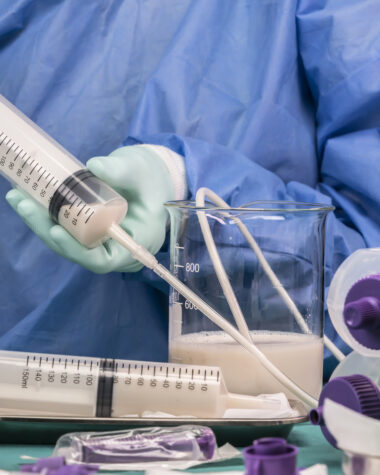
Biotechnology stocks sit in a fascinating corner of healthcare, where a laboratory discovery can change lives—and give the finance department several years of expensive homework. Researchers are developing treatments for cancer, genetic disorders, rare diseases, and other conditions with limited options. Some gene therapies introduce genetic material or replace a faulty gene to help treat disease, taking medicine well beyond the familiar pill bottle. The scientific ambition is impressive. Turning that ambition into a sustainable business requires another set of breakthroughs.
That distinction matters because a promising drug candidate cannot simply graduate from the laboratory and report for duty at the pharmacy. It must progress through research, clinical testing, and regulatory review, with safety monitoring continuing after approval. Each stage addresses different questions, and encouraging early results do not automatically answer the next round. In biotechnology investing, the share price can celebrate long before the sales department has anything to sell.
Small Trials, Big Ambitions, and Bills That Arrive on Time
Clinical trials help explain why medical breakthroughs demand both patience and deep pockets. According to the FDA, Phase 1 studies typically involve 20 to 80 participants, while Phase 3 studies can include several hundred to approximately 3,000. Early testing focuses heavily on safety, while later trials provide broader evidence of effectiveness and potential side effects. Larger studies bring more information, along with more patients, coordination, and operational demands. Scientific uncertainty may take years to resolve; the invoices tend to be more punctual.
FDA approval is another major milestone, but it does not mean everyone can put away the paperwork. Postmarketing monitoring continues as a medicine reaches a wider patient population, helping regulators and manufacturers track its safety during broader use. Manufacturing and commercialization also require careful execution. A successful trial can earn the headline, but consistently producing and selling the treatment is what helps build the business.
Treasury Yields Join the Biotech Experiment
The financial backdrop gives biotech investors another variable to monitor. According to Bloomberg’s October 22 report, the Nasdaq Biotech Index had fallen 3.8% from its August 19 peak as the U.S. 10-year Treasury yield climbed nearly half a percentage point and briefly touched 5.34%. Even after that retreat, the index, which tracks nearly 250 biotechnology companies, remained roughly 25% higher for the year. Investors clearly retained an appetite for medical innovation, although their enthusiasm had started checking the price tag.
Higher Treasury yields can make distant profits less attractive today. Government bonds offer more competitive income, while higher discount rates reduce the present value of earnings expected years into the future. That matters particularly for development-stage biotech companies whose potential products are still undergoing testing. A treatment may have considerable promise, but investors must decide how much they are willing to pay—and how long they are prepared to wait.
A Strong Pipeline Still Needs Enough Cash to Reach the Finish Line
Clinical results and FDA approval prospects are central to evaluating biotech stocks, but funding deserves a seat at the same table. Cash runway measures how long a company’s available funding can support its operations. It helps investors assess whether the business can reach its next important milestone before needing additional capital.
That timing can make a substantial difference. A company approaching a major trial readout with sufficient funding has a different financial position from one that must raise money just to keep the study moving. Issuing new shares can support development, but it can also dilute existing shareholders. The research program gets more fuel; each shareholder may own a smaller slice of the company.
Assessing small-cap biotech stocks therefore means examining scientific progress alongside financial discipline. Clinical evidence, regulatory timelines, manufacturing readiness, and commercial prospects all shape the opportunity. Cash resources and financing needs help determine whether the company can keep pursuing it. A compelling pipeline gives investors something to watch. A well-funded development plan gives that story more room to unfold.

Explore more healthcare investing ideas with 5 No-Brainer Healthcare Stocks to Buy Now and 5 Best Micro Cap Healthcare Stocks to Watch Today.
Our Methodology
For 10 Promising Small-Cap Biotech Stocks to Watch, the ranking uses a qualitative assessment of clinical development stages, regulatory milestones, platform differentiation, commercial traction, revenue quality, cash runway, and financing risk, with sector-specific considerations guiding comparisons between drug developers and robotics businesses.
PROCEPT BioRobotics Corporation (NASDAQ:PRCT) ranks 1st in our list of 10 Promising Small-Cap Biotech Stocks to Watch. Click HERE to find out other stocks on the list.
PROCEPT BioRobotics Corporation (NASDAQ:PRCT)
Surgical Robotics Combines Equipment Sales With Procedure Revenue
PROCEPT BioRobotics Corporation (NASDAQ: PRCT) occupies the top position through its commercial surgical robotics business focused on urology. Its AQUABEAM and HYDROS systems deliver Aquablation therapy for benign prostatic hyperplasia, providing a defined medical application around which hospitals can build procedure programs.
Second-quarter 2026 revenue reached $94.5 million, up 19% year over year. U.S. procedure volume exceeded 13,100, an increase of approximately 21%, while U.S. handpiece and consumable revenue rose 12% to $48.4 million. Those figures illustrate the relationship between equipment placements and subsequent procedure-linked sales.
The financial picture still includes losses. Gross margin was 66%, but the quarterly net loss widened to $26.9 million as operating expenses increased. Cash, cash equivalents, and restricted cash totaled approximately $231 million.
The business also completed enrollment in its WATER IV prostate cancer study. That research offers a potential expansion opportunity, while remaining separate from its established BPH application.
Ranking Rationale
The No. 1 placement reflects an existing commercial platform, growing procedure volumes, and substantial consumable revenue. These provide measurable operating evidence for the investment thesis. Hospital purchasing decisions, continued adoption, and the path toward profitability remain the principal tests.
YOU MUST READ THIS: Top 6 Small-Cap Healthcare Stocks to Buy Right Now
Disclosure: No relevant interests to disclose. This article was originally published on BioTech HealthX.